Grocery Store Uniform Program Guide: From Customization to Management

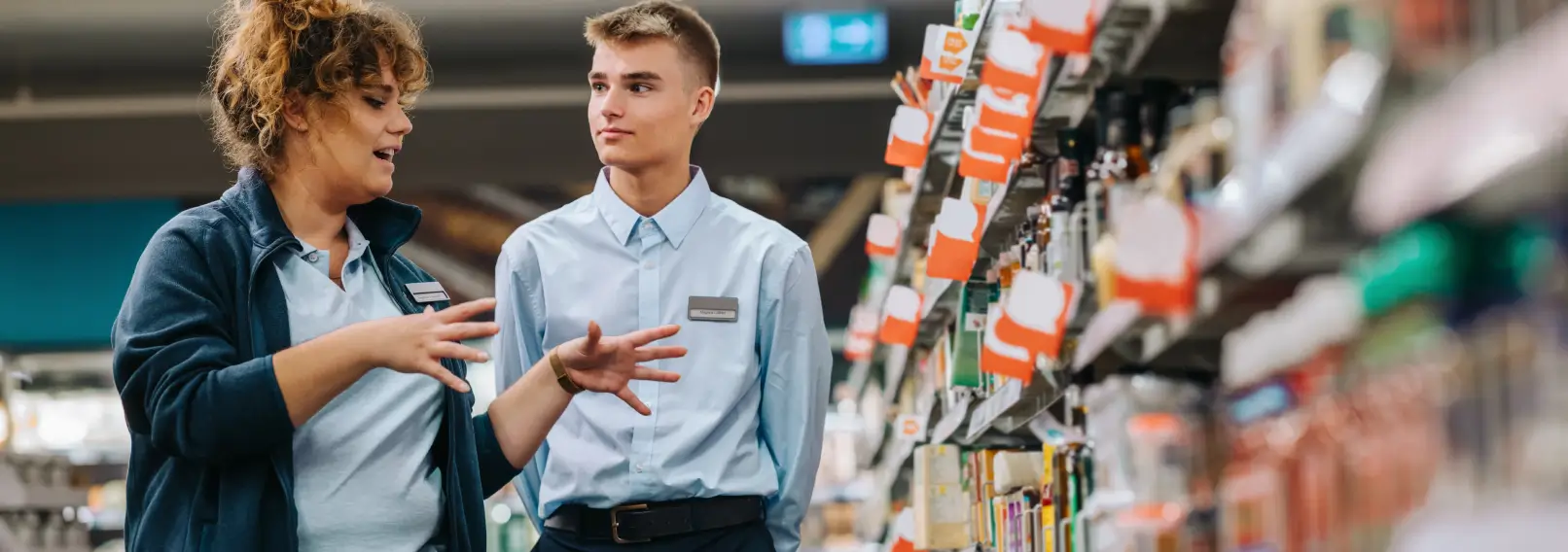
Step into any supermarket, and the first things you notice aren’t just the shelves or displays; they’re the people who make the store run. From the cashier greeting customers at the register to the team stocking produce in crisp polos, grocery store uniforms shape the impression of a store before any words are spoken. That impression only works, though, when there’s a uniform program in place to keep styles consistent, logos properly placed and employees outfitted with attire suited to their roles.
Interested in creating a grocery store uniform program of your own? This guide explores how to design the right look, select the best supplier and streamline management so that uniforms become a true business advantage. Let’s get started!
The Value of Grocery Store Uniforms for Teams and Morale
Uniforms may signal professionalism to customers, but their real impact is felt on the job. Grocery store work is physically demanding, and each role brings different requirements. Stock associates need durable fabrics that hold up to lifting and movement, while deli and bakery staff rely on protective layers like aprons or jackets. At checkout, lightweight polos and moisture-wicking fabrics help employees stay comfortable through long shifts under bright lights.
The benefits go beyond functionality, though. Well-made, consistent apparel also builds a sense of pride among employees. Wearing a professional supermarket uniform reinforces the idea that every team member is part of something bigger, and that shared identity encourages stronger teamwork. The confidence that comes from a uniform that fits well and feels good shows up in the way employees carry themselves on the job, and customers notice the difference.
Supermarket Uniform Design Tips: Colors, Logos and Styles
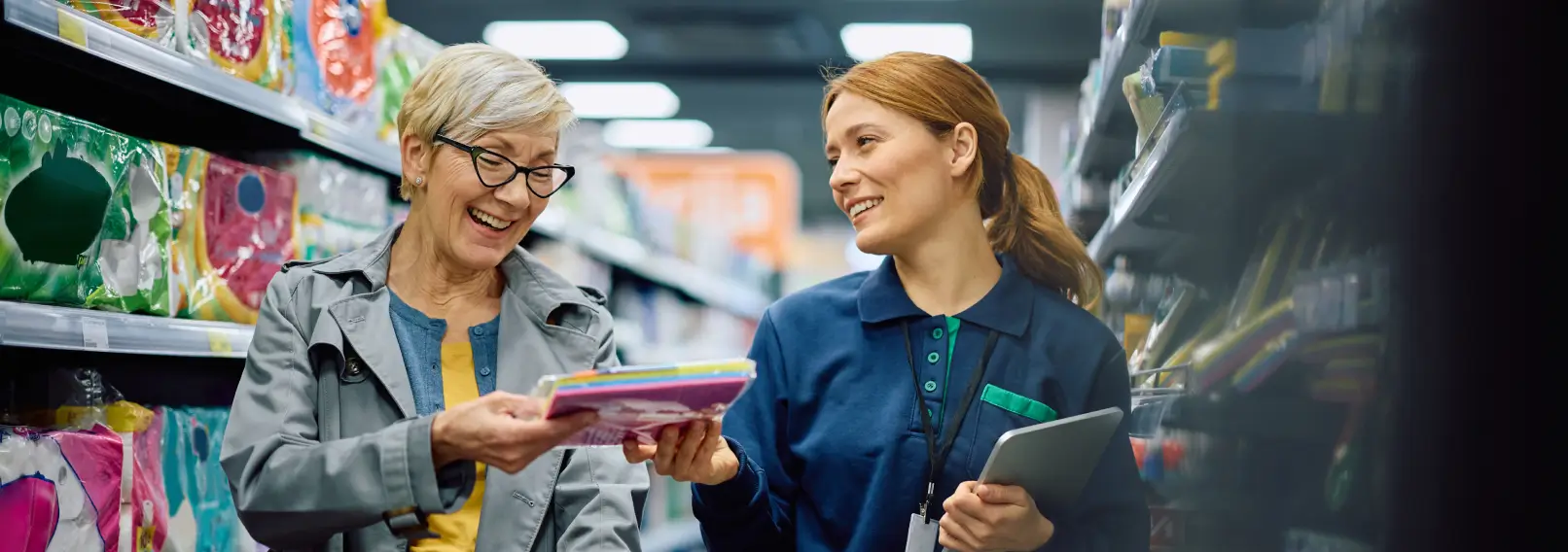
Creating a uniform program begins with design choices that balance practicality with brand representation. The look of a uniform communicates just as clearly as signage or advertising, which is why thoughtful design pays off over time.
Color Choices and Brand Identity
Color is one of the quickest ways to reinforce identity inside the store. Fresh greens suggest produce and vitality, deep blues convey trust, while bold reds highlight energy and urgency. Selecting colors that echo your logo or store signage ensures every uniform feels like a natural extension of the brand.
Custom Logo Placement
The placement of a logo should be both functional and visible. A neatly embroidered mark on the chest of a polo, apron or vest makes staff instantly recognizable while keeping the design clean. For outerwear, sleeve or back placement can extend visibility when employees are active outside or in larger spaces. For more details on this, check our article on How to Design Grocery Store Uniforms.
Matching Apparel to Roles
Every department has different requirements, so garment type and fit should reflect the tasks of each. Polos or button-down shirts suit checkout staff who interact with customers constantly. Aprons protect bakery and deli workers from spills and stains while reinforcing food safety. Stock clerks and curbside teams often rely on durable vests or jackets with pockets for practicality. Specialty garments, such as high-visibility vests, add safety in parking lots or warehouse settings.
These distinctions create a supermarket uniform system that feels cohesive but still serves the unique needs of each role. And when employees feel their attire supports their work, productivity and morale both improve.

Selecting the Right Supplier for Your Uniform Program
The best designs only work if the uniforms themselves hold up to daily wear. That’s why choosing the right supplier is just as important as choosing the look. A strong partner ensures garments are high quality, easy to customize and consistently available, no matter how many employees you need to outfit.
Prioritizing Quality and Durability
Grocery store work is fast-paced and demanding. Fabrics should withstand frequent washing without fading or losing shape, while stitching and embroidery must stay intact under heavy use. Investing in higher-quality apparel reduces replacement costs over time and keeps staff looking professional shift after shift.
Customization Options That Fit Your Brand
A supplier should offer flexible customization, from logo embroidery to department-specific colors or styles. This makes it easier to distinguish roles while maintaining a cohesive brand presence. The right partner also provides size inclusivity so every team member has access to a proper fit.
Simplifying Ordering and Reorders
One of the biggest frustrations for managers is chasing down missing sizes or waiting on backorders. A reliable supplier provides a straightforward online ordering platform, quick turnaround times and the ability to reorder with ease.
For example, a Lands’ End Outfitters program manager can help you create a custom online storefront tailored to your business. That way, you’ll have a centralized hub where approved styles, logos and colors are preloaded. Employees can log in and order directly, managers can track budgets and allotments and the entire program stays consistent across every location.

How a Managed Grocery Store Uniform Program Simplifies Operations
Managing uniforms across a single store is one thing. Coordinating them for multiple locations—with different departments, staff sizes and turnover rates—can quickly become overwhelming without a system in place. That’s where a managed grocery store uniform program makes the difference.
Simplified Ordering and Inventory
Centralized ordering platforms eliminate the need for scattered spreadsheets or last-minute store visits. Managers can browse a curated catalog of approved apparel, place bulk orders for multiple departments or allow employees to order directly through a custom portal. Inventory is easier to control when everyone is sourcing from the same place, and consistency across uniforms is guaranteed.
Budget Control and Allotments
Managed programs make it simple to track costs and allocate resources fairly. Allotment systems give each employee a set budget or point allowance for uniforms, preventing overspending while ensuring everyone has access to the essentials. This approach is especially useful for large teams or high-turnover roles, where frequent replacements are needed.
Consistency Across Multiple Locations
For chains and franchises, a managed program ensures that every location reflects the same professional standard. Instead of one store using polos in one color and another improvising with something different, all staff appear in the same branded apparel. That consistency strengthens recognition and keeps operations aligned, no matter how many sites are in the network.

Scaling Your Program for Growth and Change
A strong grocery store uniform program isn’t just about solving today’s challenges; it’s about staying ready for what comes next. As your business grows, your program should scale with it, while also reflecting modern expectations for sustainability and responsibility.
Scaling With Your Business
As new stores open or seasonal teams come on board, a managed program makes expansion far easier. Approved designs and styles are already in place, so adding new employees or locations does not mean starting over. Instead, managers can simply extend the existing program, ensuring the same consistency across the brand.
Supporting Sustainability Goals
Many grocery businesses are prioritizing sustainability, and uniforms can play a role in that effort. Choosing apparel made with long-lasting, responsibly sourced fabrics reduces waste and helps align with environmental commitments. Certifications such as Oeko-Tex indicate materials have been tested for harmful substances, adding another layer of assurance.
Long-Term Cost Savings
Future-proofing also means thinking financially. High-quality, durable apparel may come with a higher upfront cost, but it reduces replacement frequency and lowers total spend over time. Pairing durable garments with a managed program keeps waste down and ensures every dollar is spent efficiently.
By planning with scalability and sustainability in mind, a supermarket uniform program becomes a long-term asset that evolves with your business rather than holding it back.
Lands’ End Outfitters: Your Trusted Partner for Grocery Store Uniforms
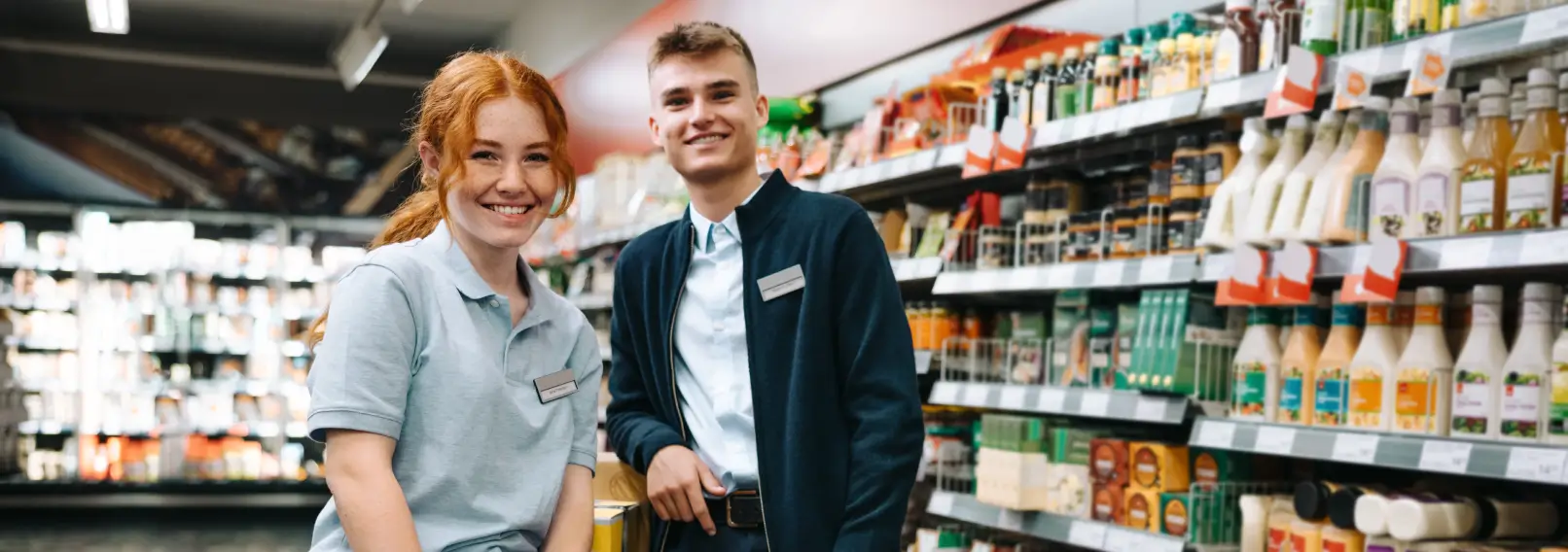
A grocery store uniform program runs best when you have a partner who can simplify the process, scale with your business and support your team. That’s exactly what we do at Lands’ End Outfitters.
Here’s how we make uniform programs easier:
- Durable, professional apparel: Our polos, button-downs, aprons and outerwear are stitched to handle long shifts, frequent laundering and the daily pace of grocery operations.
- Seamless customization: We make embroidery and customization simple, so your logo, colors and department-specific styles always look sharp and consistent.
- Custom online stores: We’ll create a branded online store tailored to your business, where approved styles and logos are preloaded. Managers can control budgets and allotments, while employees place their own orders directly.
- Dedicated support: Our Outfitters program managers provide guidance at every step, from initial design to rollout and beyond, ensuring smooth operations for single stores or multi-location chains.
By combining quality apparel with management tools and attentive service, we make it easy to run a grocery store uniform program that looks professional, operates efficiently and grows with your business.
Launch Your Grocery Store Uniform Program Today With Lands’ End Outfitters
Every uniform tells a story about your business. The right program ensures that story is one of consistency, professionalism and pride. At Lands’ End Outfitters, we give you the tools to make that happen. If you’re ready to simplify ordering, strengthen your brand and give your employees uniforms they’re proud to wear, we’re ready to help.
Start your program with Lands’ End Outfitters today, and see how easy it can be to bring your grocery store’s look and operations together.
Get In Touch With Our OutfittersFrequently Asked Questions
Building a grocery store uniform program involves many moving parts, and it’s natural to have questions along the way. The FAQs below address some of the most common concerns about grocery store uniform programs and how to manage them effectively.
What is a grocery store uniform program?
A grocery store uniform program is a managed system that standardizes how employee uniforms are designed, ordered and distributed. It brings consistency to branding while simplifying administration, making it easier to outfit staff across one or many store locations.
What fabrics work best for grocery store uniforms?
Breathable fabrics like cotton blends or performance polyesters are popular because they wick moisture and hold their shape through long shifts. Durable, easy-care materials also make laundering simple, keeping uniforms fresh day after day.
How often should grocery store uniforms be replaced?
Most businesses refresh uniforms once or twice a year, depending on wear and tear. High-traffic roles, such as deli or stock teams, may require replacements more frequently, while outerwear and jackets often last multiple seasons.
Related Articles
- How Many Uniforms Does an Employer Have to Provide? A Guide to Employer Obligations
- What to Look for in a Professional Uniform Company
- Best Work Polo Shirts Buying Guide by Role, Industry and Real-World Need
- Scaling Your Uniform Program: Custom Uniform Solutions for Growing Businesses and Franchises